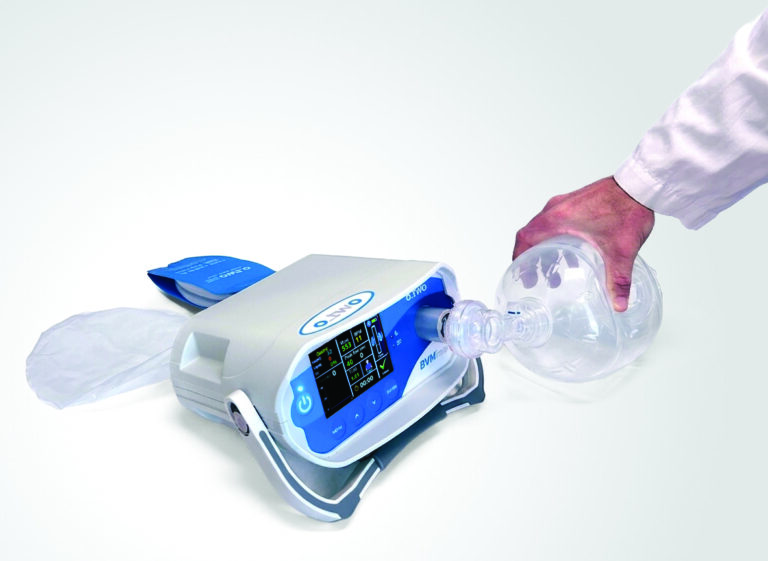
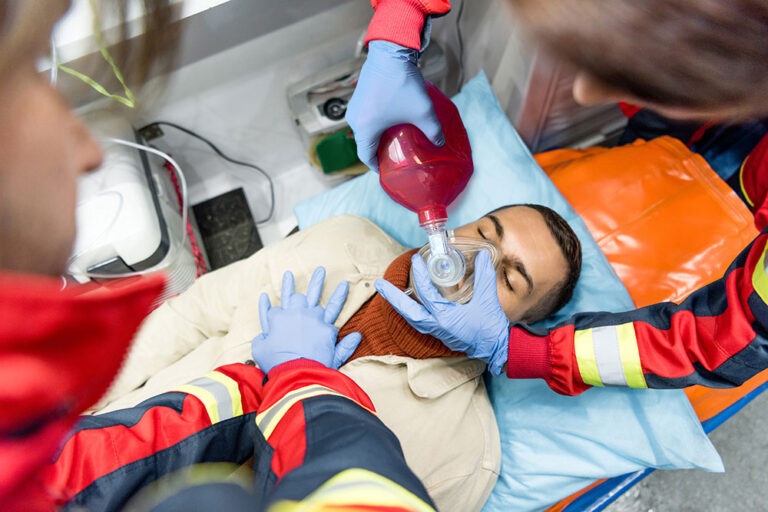
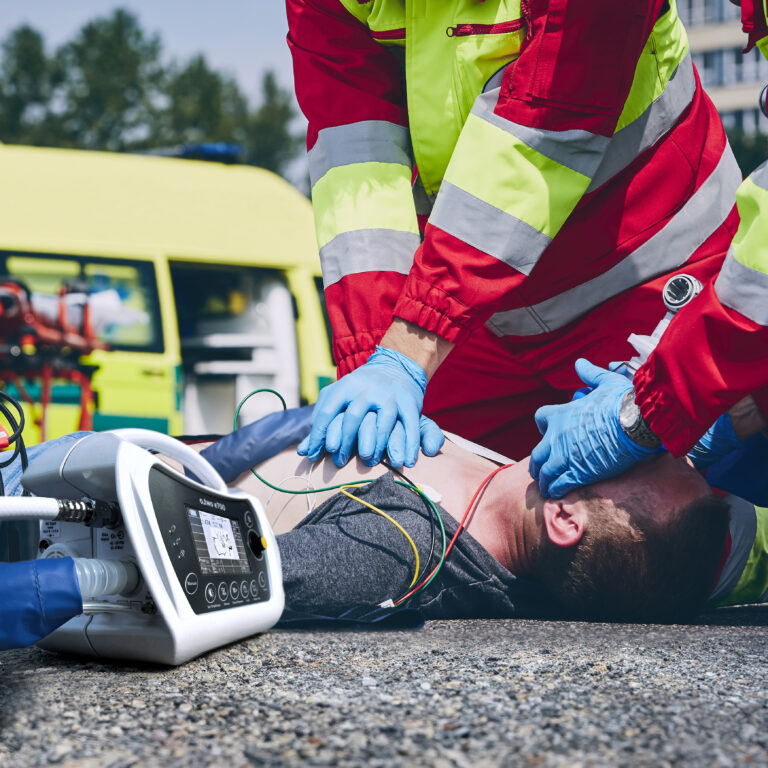
Bag-valve-mask (BVM) ventilation is a foundational lifesaving skill, but consistent performance can be difficult to achieve across different providers, patient sizes, and emergency scenarios.
A new meta-analysis from the University of Birmingham reports that nitrous oxide—already widely used for pain relief—may offer quick, short-term improvement for people…
Manual ventilation using a bag-valve mask (BVM) is a standard practice in emergency airway management, but achieving consistent lung-protective ventilation…
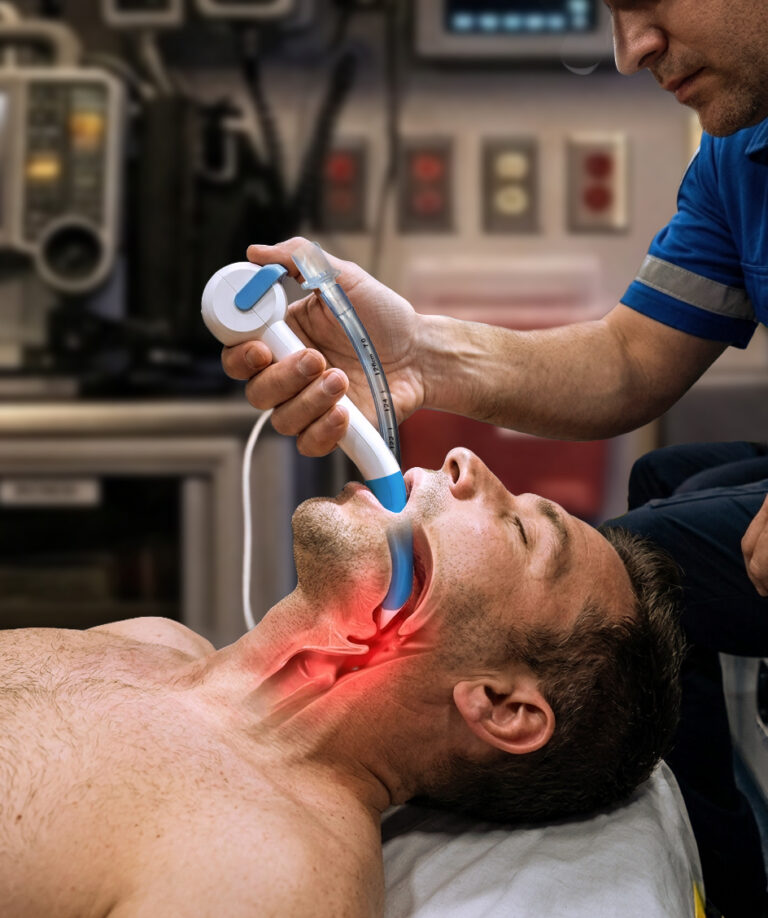
Airway management in emergency care is rarely predictable. A patient may be on the floor, inside a vehicle, in a moving ambulance, or positioned in a way that makes direct visualization difficult. Add trauma, obesity, restricted neck movement, secretions, or poor lighting, and a routine intubation can quickly become a challenging one…
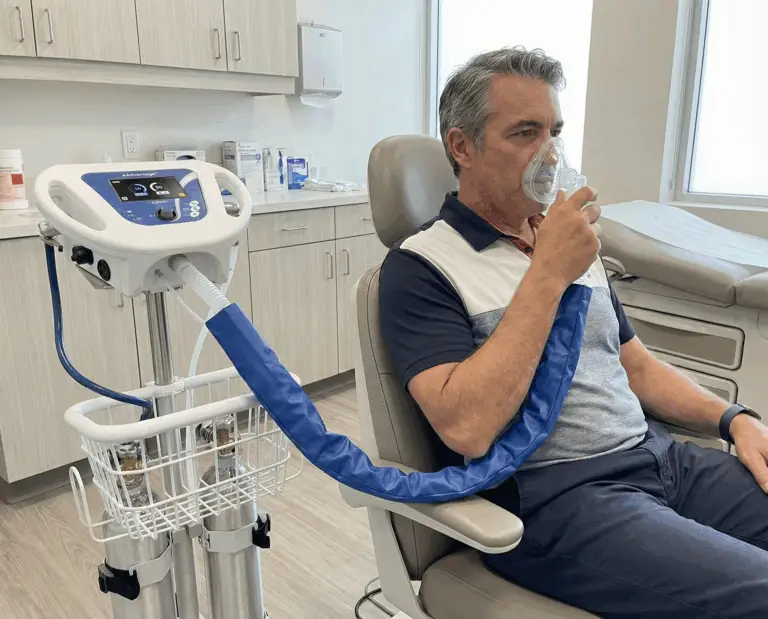
Nitrous oxide is an inhaled analgesic widely used in labor pain management due to its rapid onset, short duration of action, safety profile, and ease of administration…
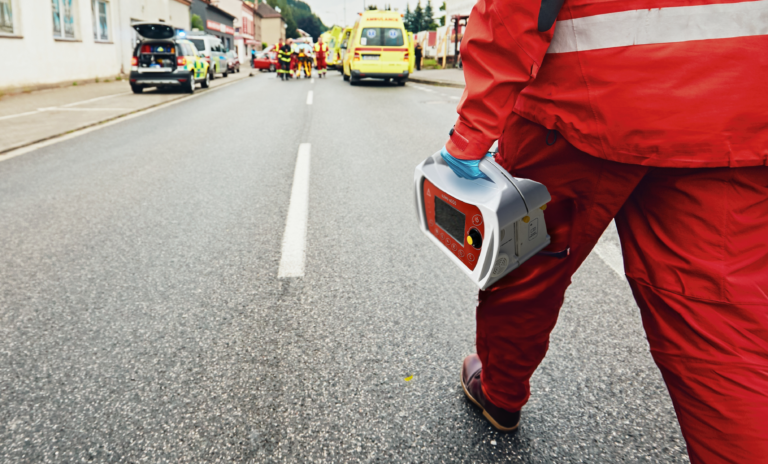
When seconds matter, the role of prehospital mechanical ventilation in trauma care can make a life-saving difference. Here’s what EMS providers need to know…
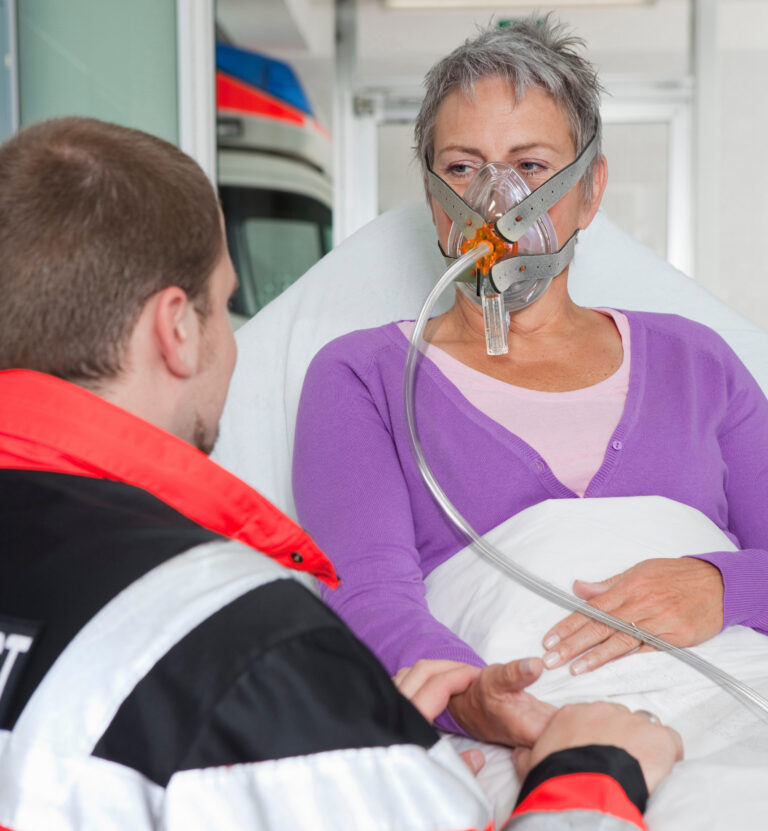
Aerosol medication delivery is a critical component of respiratory care in hospitals, emergency departments, ambulances, and prehospital environments. As healthcare providers increasingly require portable and efficient solutions that can perform reliably in a wide range of clinical ….
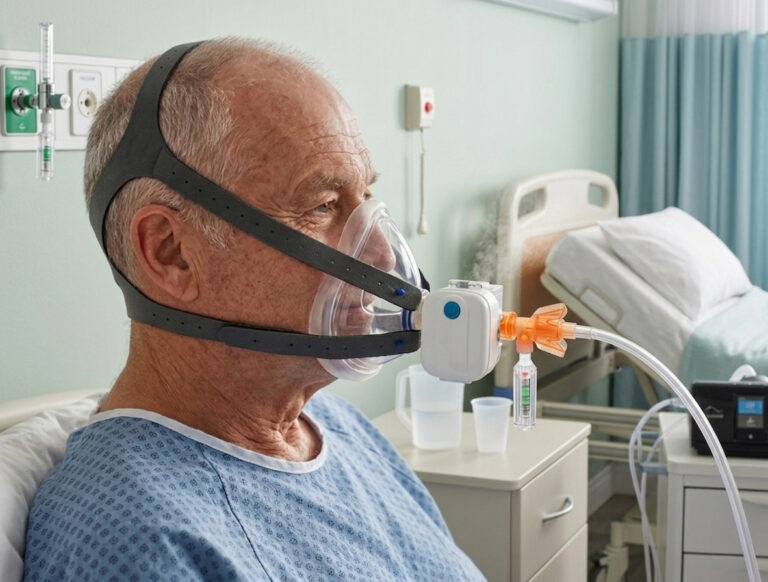
Continuous Positive Airway Pressure (CPAP) therapy is a fundamental non-invasive ventilation strategy for managing acute and chronic respiratory conditions…
Airway management in emergency care is rarely predictable. A patient may be on the floor, inside a vehicle, in a moving ambulance, or positioned in a way that makes direct visualization difficult. Add trauma, obesity, restricted neck movement, secretions, or poor lighting, and a routine intubation can quickly become a challenging one…
When seconds matter, the role of prehospital mechanical ventilation in trauma care can make a life-saving difference. Here’s what EMS providers need to know…
A new meta-analysis from the University of Birmingham reports that nitrous oxide—already widely used for pain relief—may offer quick, short-term improvement for people…
Nitrous oxide is an inhaled analgesic widely used in labor pain management due to its rapid onset, short duration of action, safety profile, and ease of administration…