Nitrous Oxide Shows Fast-Acting Potential for Depression Relief
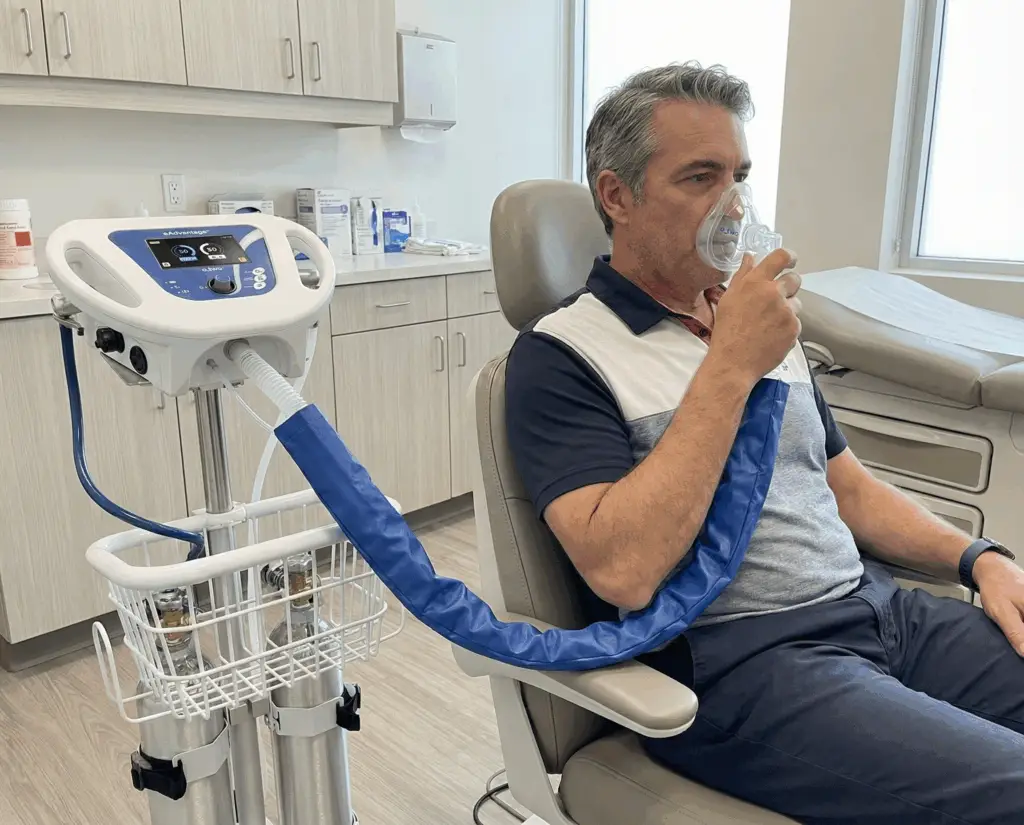
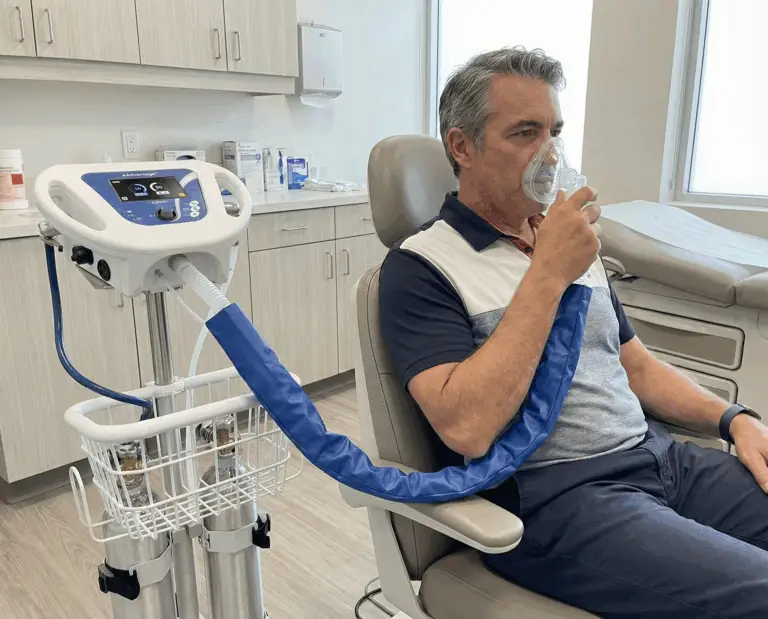
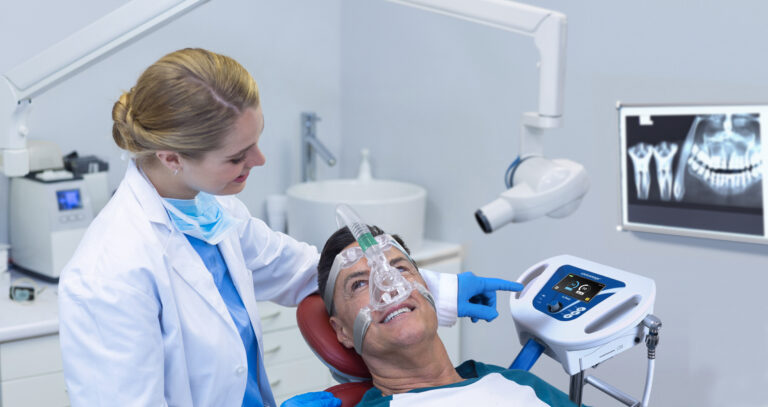
A new meta-analysis from the University of Birmingham reports that nitrous oxide—already widely used for pain relief—may offer quick, short-term improvement for people with major depression and treatment-resistant depression.
What the Study Found
• Fast effect: A single inhaled dose at 50% concentration reduced depressive symptoms within 24 hours.
• Short-lived after one dose: Most people’s depressive symptoms went back to their usual level within about a week.
• Stronger results with repeated sessions: Multiple treatments over several weeks led to more sustained improvement.
Beyond its analgesic and anxiolytic effects, clinical research highlights additional therapeutic advantages, including:
Why It May Work
Nitrous oxide appears to act on glutamate pathways in the brain, similar to ketamine. This mechanism is different from standard antidepressants and may benefit people who haven’t responded to traditional medications.
Safety Overview
Reported side effects were mild and brief. No immediate safety concerns were identified, but researchers emphasize the need for longer-term trials to understand ongoing use.
What Comes Next
The research team is preparing the first NHS clinical trial to explore how nitrous oxide could be safely integrated into depression care. This work aims to expand treatment options for people who have limited benefit from existing therapies.
Explore our full insights about this study for more details:
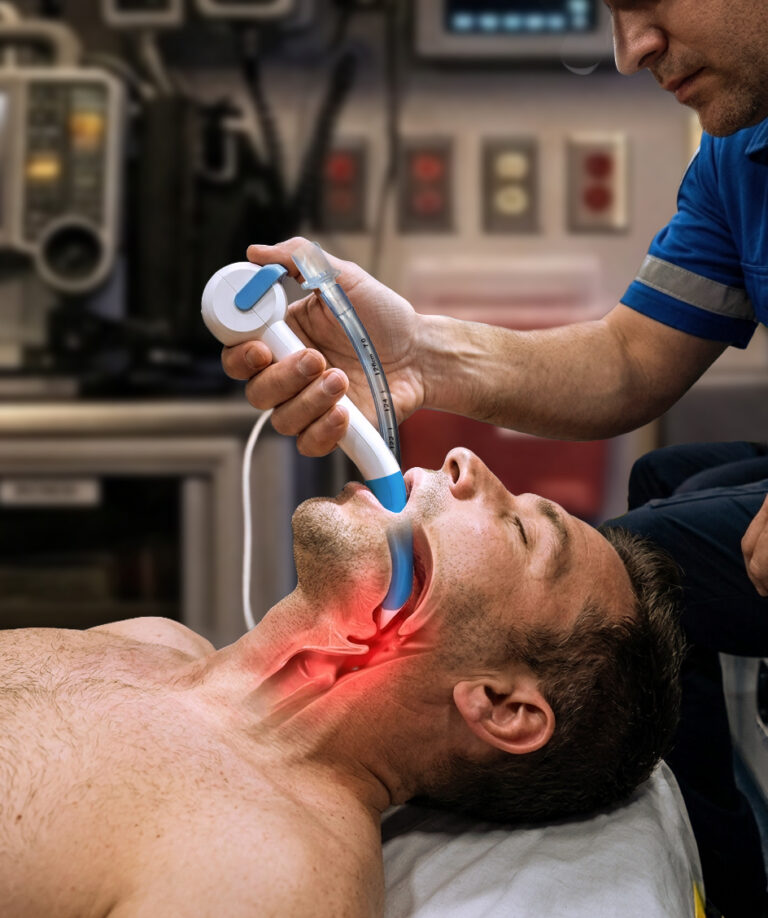
Airway management in emergency care is rarely predictable. A patient may be on the floor, inside a vehicle, in a moving ambulance, or positioned in a way that makes direct visualization difficult. Add trauma, obesity, restricted neck movement, secretions, or poor lighting, and a routine intubation can quickly become a challenging one…
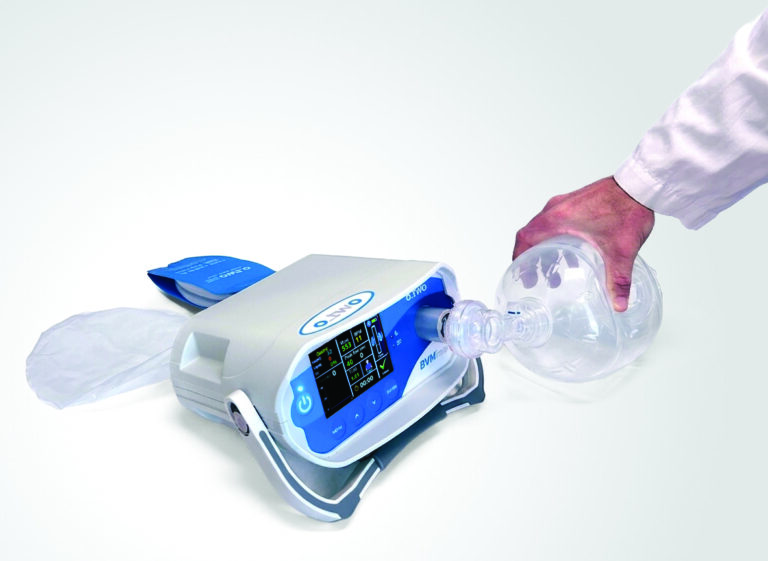
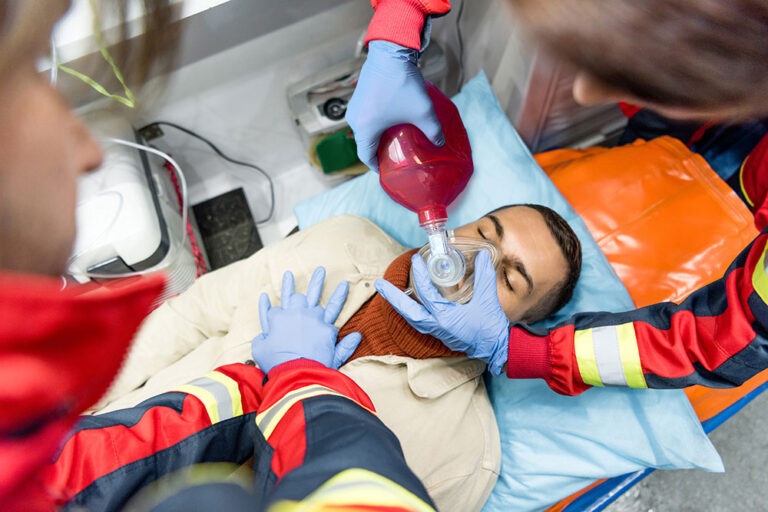
Manual ventilation using a bag-valve mask (BVM) is a standard practice in emergency airway management, but achieving consistent lung-protective ventilation…
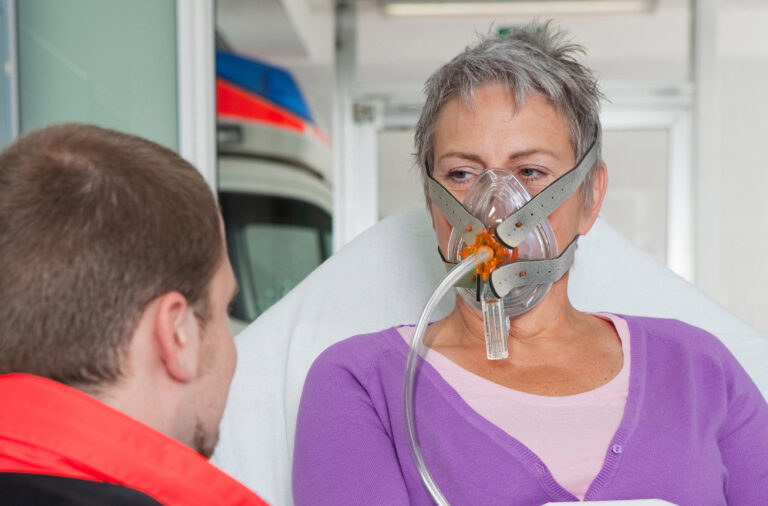
Continuous Positive Airway Pressure (CPAP) therapy is a fundamental non-invasive ventilation strategy for managing acute and chronic respiratory conditions…
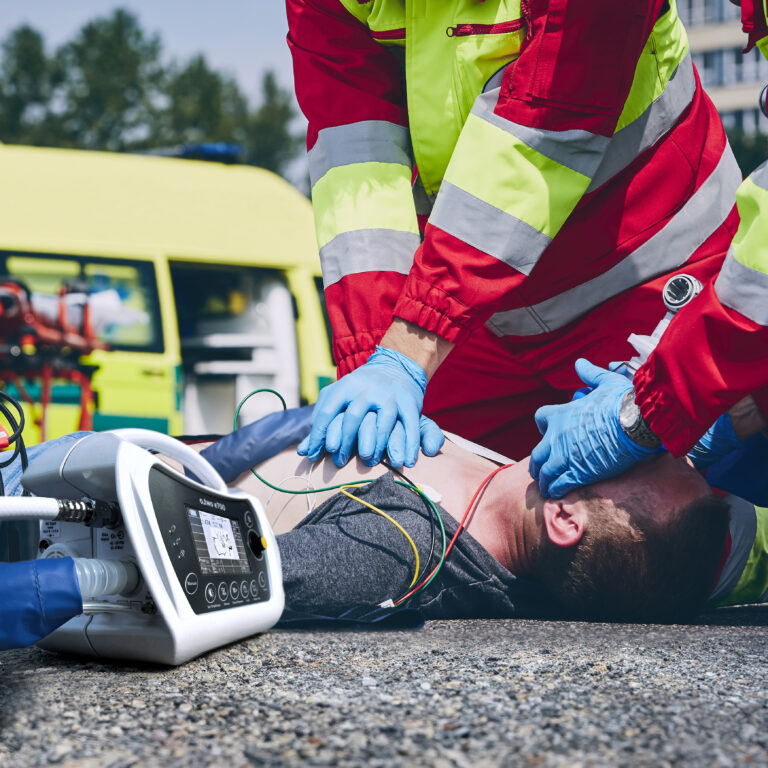
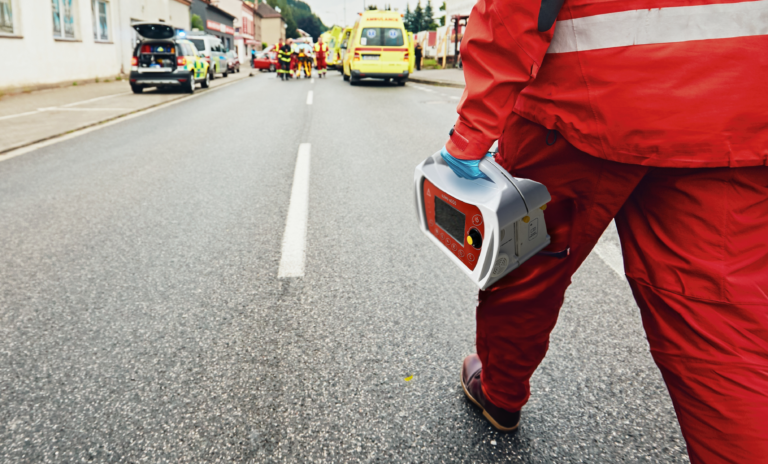
When seconds matter, the role of prehospital mechanical ventilation in trauma care can make a life-saving difference. Here’s what EMS providers need to know…
Bag-valve-mask (BVM) ventilation is a foundational lifesaving skill, but consistent performance can be difficult to achieve across different providers, patient sizes, and emergency scenarios.
Airway management in emergency care is rarely predictable. A patient may be on the floor, inside a vehicle, in a moving ambulance, or positioned in a way that makes direct visualization difficult. Add trauma, obesity, restricted neck movement, secretions, or poor lighting, and a routine intubation can quickly become a challenging one…
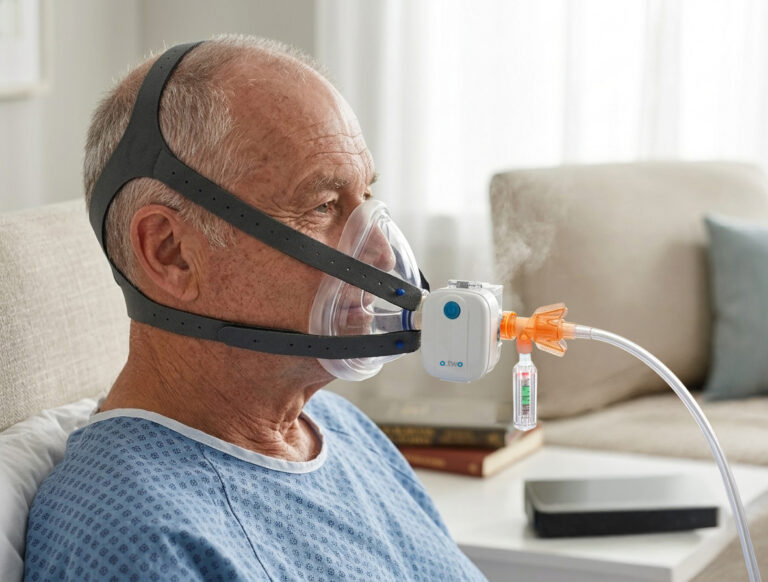
Aerosol medication delivery is a critical component of respiratory care in hospitals, emergency departments, ambulances, and prehospital environments. ..
A new meta-analysis from the University of Birmingham reports that nitrous oxide—already widely used for pain relief—may offer quick, short-term improvement for people…
Continuous Positive Airway Pressure (CPAP) is a game-changer for managing respiratory distress. It delivers constant airflow through a mask, keeping airways open…
When seconds matter, the role of prehospital mechanical ventilation in trauma care can make a life-saving difference. Here’s what EMS providers need to know…
Nitrous oxide is an inhaled analgesic widely used in labor pain management due to its rapid onset, short duration of action, safety profile, and ease of administration…
Manual ventilation using a bag-valve mask (BVM) is a standard practice in emergency airway management, but achieving consistent lung-protective ventilation…
In emergency medical situations, airway management and respiratory support are critical for patient survival. Traditionally, manual ventilation using a bag-valve-mask (BVM) has been the go-to method for EMS providers…