Master Your Manual Ventilation: Why Objective Feedback is Changing BVM Training
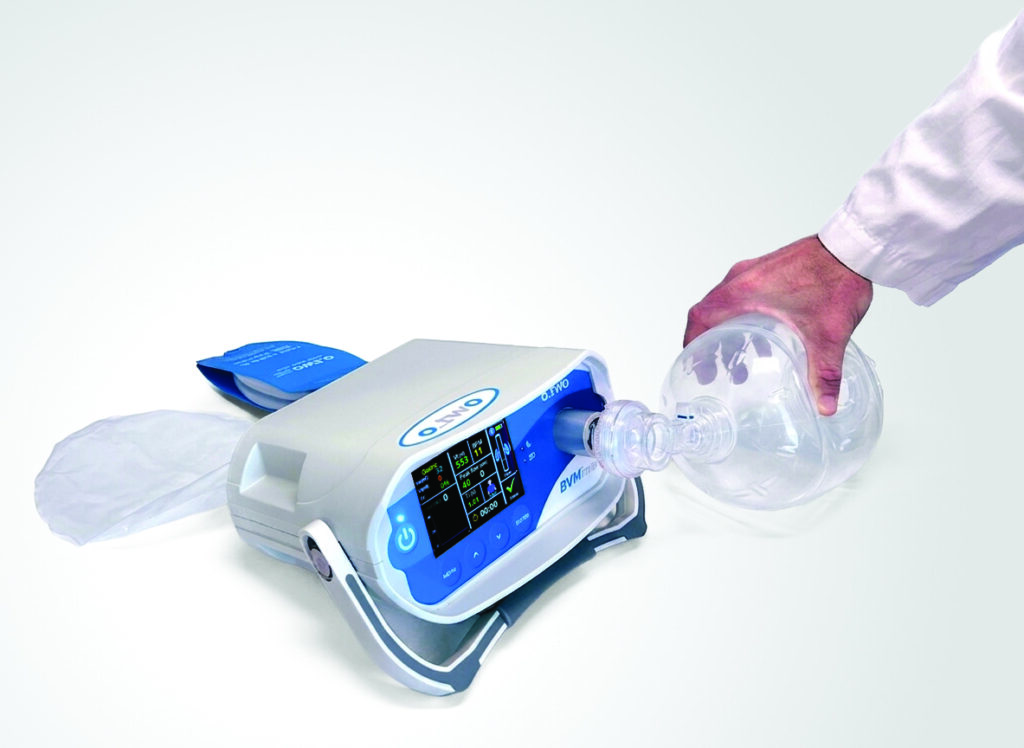
See the breath. Measure the technique. Improve the skill.
Bag-valve-mask (BVM) ventilation is a foundational lifesaving skill, but consistent performance can be difficult to achieve across different providers, patient sizes, and emergency scenarios.
Traditional training often relies heavily on visual observation and subjective instructor judgment.
Objective feedback is a way for learners to see exactly how each breath is delivered, identify performance gaps instantly, and make immediate adjustments.
Taking the Guesswork Out of BVM Training
The O-TWO® BVM Trainer is designed to make manual ventilation training completely measurable. By providing real-time feedback on every breath, it highlights priority issues and generates a clear performance score to support coaching, competency assessment, and repeatable skills development.
Designed for EMS agencies, hospitals, simulation centers, and respiratory therapy programs, this system helps educators move beyond simply completing a training session toward building consistent, measurable performance across adult, child, and infant ventilation scenarios.
Measured Ventilation Parameters
The system tracks critical metrics to ensure proper technique:
- Ventilation Rate: Measures breaths per minute to prevent hypoventilation or hyperventilation.
- Delivered Tidal Volume: Measures the volume delivered with each breath to support proper technique.
- Inspiratory Time: Measures breath duration to maintain controlled, consistent ventilation.
- Peak Inspiratory Flow: Identifies the highest inspiratory flow to flag overly rapid or forceful compressions.
- Gastric Insufflation Indicator: Flags ventilation patterns associated with gastric air entry.
- Performance Consistency: Evaluates breath-to-breath repeatability over the session.
How It Works in 3 Simple Steps
- Train with Real-Time Feedback: Sensors monitor each breath and display live values, color-coded indicators, and priority issue alerts as they happen.
- Review Objective Scoring: Each session concludes with a clear 100-point score to streamline instructor feedback and competency reviews.
- Analyze Performance: Built-in Graph View shows ventilation trends over time, helping both learners and instructors track control, consistency, and progress.
Key Takeaways
Real-Time Ventilation Feedback
Objective 100-Point Scoring
Adult, Child, and Infant Training Capabilities
Streamlined Instructor-Led Skills Development
See the breath. Measure the technique. Improve the skill.
Bag-valve-mask (BVM) ventilation is a foundational lifesaving skill, but consistent performance can be difficult to achieve across different providers, patient sizes, and emergency scenarios…
Manual ventilation using a bag-valve mask (BVM) is a standard practice in emergency airway management, but achieving consistent lung-protective ventilation…
Continuous Positive Airway Pressure (CPAP) therapy is a fundamental non-invasive ventilation strategy for managing acute and chronic respiratory conditions…
Nitrous oxide is an inhaled analgesic widely used in labor pain management due to its rapid onset, short duration of action, safety profile, and ease of administration…
A new meta-analysis from the University of Birmingham reports that nitrous oxide—already widely used for pain relief—may offer quick, short-term improvement for people…
n emergency medical services (EMS), transport mechanical ventilators are essential for providing consistent and controlled respiratory support to…
When seconds matter, the role of prehospital mechanical ventilation in trauma care can make a life-saving difference. Here’s what EMS providers need to know…
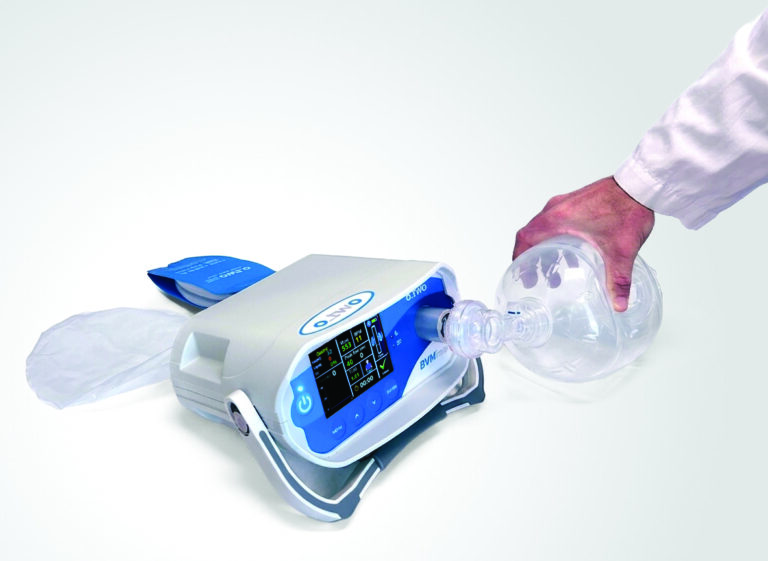
Bag-valve-mask (BVM) ventilation is a foundational lifesaving skill, but consistent performance can be difficult to achieve across different providers, patient sizes, and emergency scenarios.
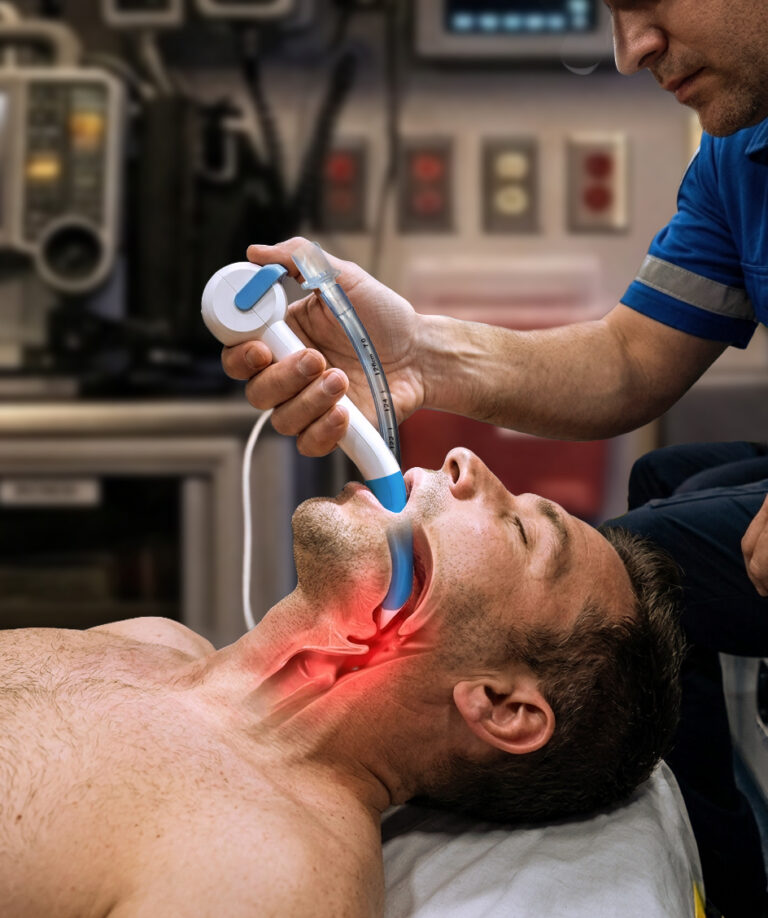
Airway management in emergency care is rarely predictable. A patient may be on the floor, inside a vehicle, in a moving ambulance, or positioned in a way that makes direct visualization difficult. Add trauma, obesity, restricted neck movement, secretions, or poor lighting, and a routine intubation can quickly become a challenging one…
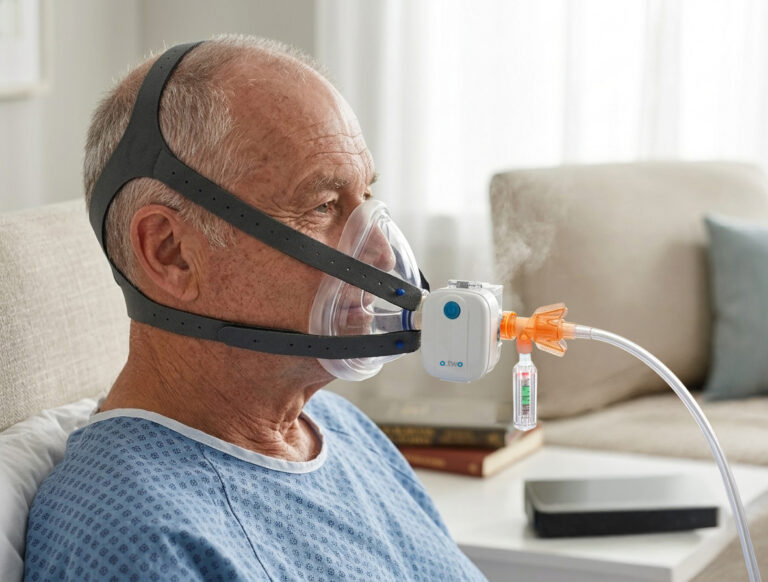
Aerosol medication delivery is a critical component of respiratory care in hospitals, emergency departments, ambulances, and prehospital environments. ..
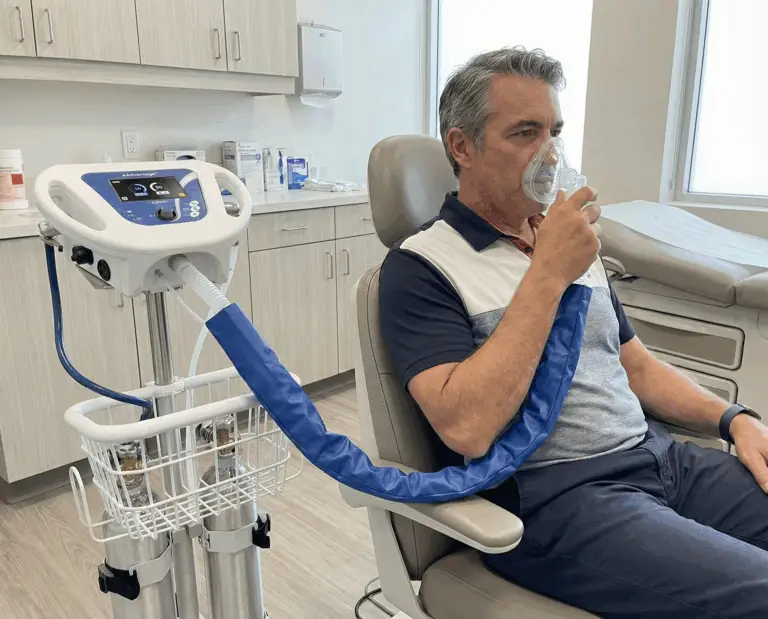
A new meta-analysis from the University of Birmingham reports that nitrous oxide—already widely used for pain relief—may offer quick, short-term improvement for people…

Nitrous oxide (N₂O), or “laughing gas,” has revolutionized modern dentistry by offering a safe and effective solution to dental pain and anxiety…
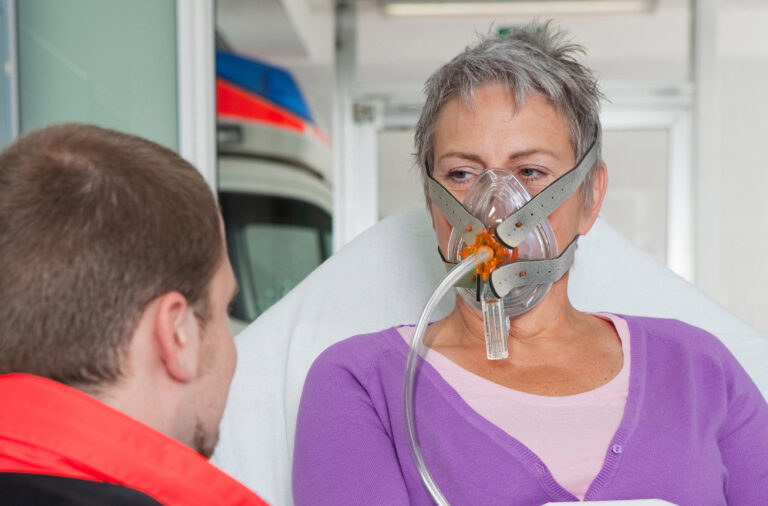
CPAP Therapy in Respiratory Care
Continuous Positive Airway Pressure (CPAP) is a game-changer for managing respiratory distress. It delivers constant airflow through a mask, keeping airways open…
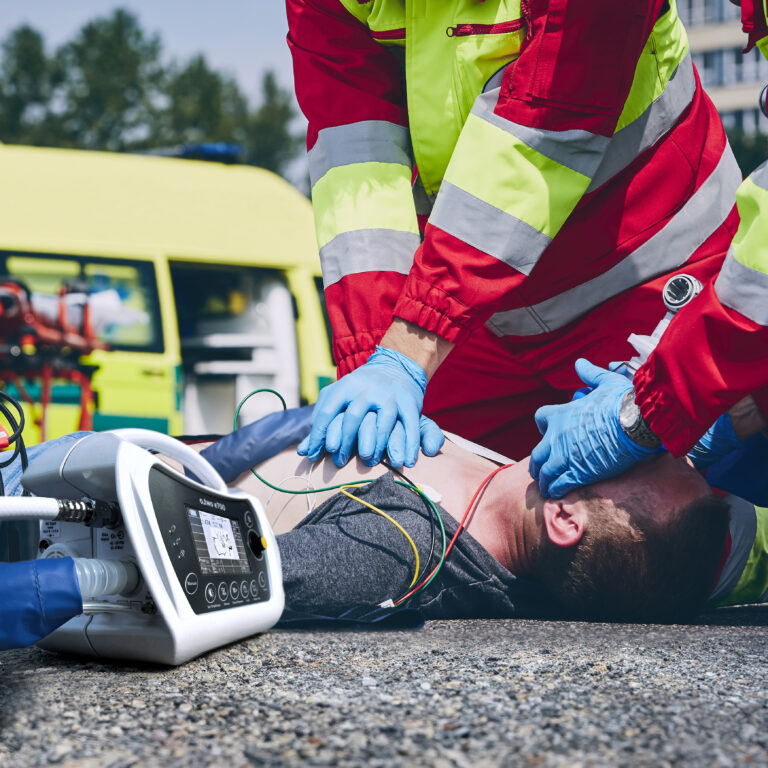
When seconds matter, the role of prehospital mechanical ventilation in trauma care can make a life-saving difference. Here’s what EMS providers need to know…

Nitrous Oxide in Labor Pain Management
Nitrous oxide is an inhaled analgesic widely used in labor pain management due to its rapid onset, short duration of action, safety profile, and ease of administration…
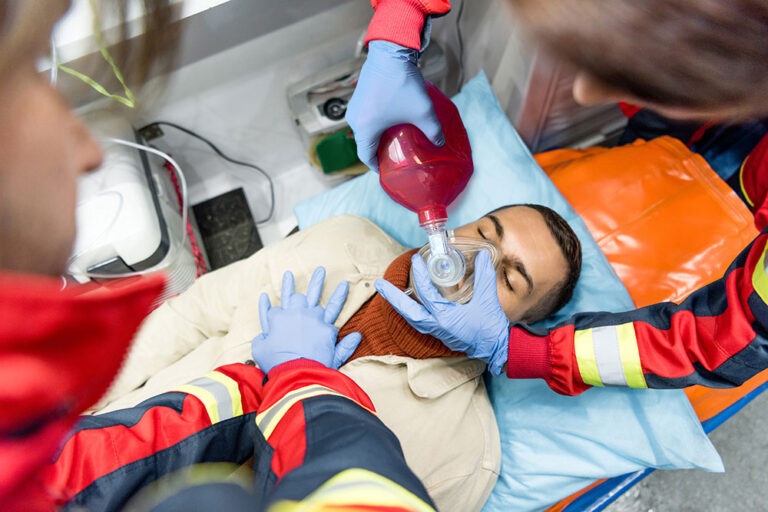
How the SMART Bag® MO Enhances Airway Management?
Manual ventilation using a bag-valve mask (BVM) is a standard practice in emergency airway management, but achieving consistent lung-protective ventilation…
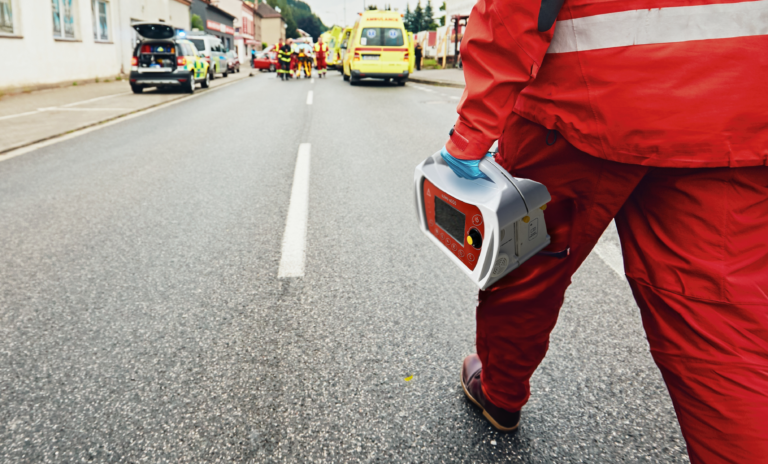
Why Transport Ventilators Matter in EMS?
In emergency medical situations, airway management and respiratory support are critical for patient survival. Traditionally, manual ventilation using a bag-valve-mask (BVM) has been the go-to method for EMS providers…